Visa Pathways to a Green Card in 2025
Discover how to secure U.S. permanent residency in 2025 with our guide to Green Card visa pathways. Explore family, employment, and EB-5 options, plus tips to succeed. April 12, 2025 19:16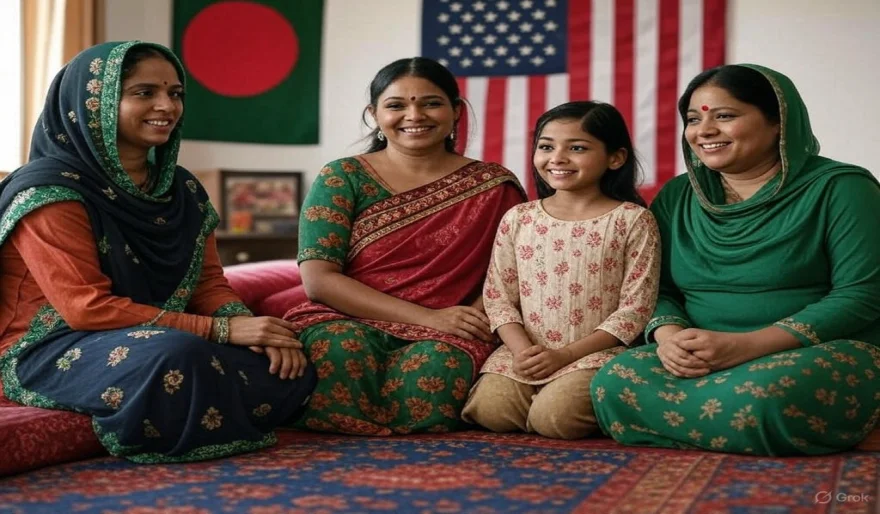
Navigating U.S. Residency: Your Ultimate Guide to Visa Pathways
Every year, over 1 million people chase the dream of calling the United States home, but the maze of visa options can feel like an impossible puzzle. Whether it’s reuniting with family, landing a dream job, or starting fresh, the path to U.S. permanent residency is within reach—if you know where to start. In this guide, we’ll break down the key visa pathways to a Green Card, offering clear, actionable steps to help you succeed. From family ties to investment opportunities, let’s explore how you can make the U.S. your home.
What Is U.S. Permanent Residency?
A Green Card grants you the right to live, work, and travel freely in the U.S. as a permanent resident. It’s not citizenship—think of it as a long-term welcome pass, renewable every 10 years. Contrary to what some believe, there’s no single “residential permit visa.” Instead, the U.S. offers multiple routes to residency, each with unique requirements.
Permanent residency opens doors to stability, opportunity, and the ability to sponsor family members. However, it’s distinct from citizenship, which adds voting rights and a U.S. passport. Understanding this difference sets realistic expectations for your journey.
Family-Based Visa Pathways
Family ties are one of the most common ways to secure a Green Card. If you have close relatives who are U.S. citizens or permanent residents, they can sponsor you.
Overview
- Immediate Relatives: Spouses, parents, and unmarried children (under 21) of U.S. citizens qualify for faster processing with no annual cap.
- Preference Categories: Siblings, married children, or relatives of Green Card holders face longer waits due to limited visa numbers.
Process
- Your sponsor files a Petition for Alien Relative (Form I-130) with the U.S. Citizenship and Immigration Services (USCIS).
- Once approved, you apply for a visa (if abroad) or adjust status (if in the U.S.).
- Provide documents like birth certificates, marriage records, and proof of financial support.
Tips
- Wait Times: Immediate relatives often wait 1-2 years, while preference categories can take 5-20 years, depending on your country. Check the USCIS Visa Bulletin for updates.
- Eligibility: U.S. citizens can sponsor more family members than Green Card holders. Verify your sponsor’s status before starting.
Employment-Based Visa Pathways
For those with skills, talent, or capital, employment-based visas offer a direct path to residency. These range from EB-1 to EB-5, each targeting different professionals.
Overview
- EB-1: For individuals with extraordinary abilities (e.g., Nobel laureates, top athletes) or multinational executives. No employer sponsor is needed.
- EB-2/EB-3: For professionals with advanced degrees or skilled workers, often requiring employer sponsorship.
- EB-5: For investors contributing at least $800,000 to a U.S. business that creates 10+ jobs.
Key Steps
- Most categories require a labor certification to prove no U.S. worker is available for the job (except EB-1 and EB-5).
- Your employer files a petition (e.g., Form I-140), or you self-petition for EB-1/EB-5.
- After approval, apply for a visa or adjust status.
Highlight: EB-5 Investor Program
The EB-5 visa is ideal for high-net-worth individuals. By investing $800,000 (or $1.05 million in non-targeted areas) in a qualifying project, you, your spouse, and children under 21 can secure Green Cards. In 2024, over 10,000 EB-5 visas were issued, with projects ranging from real estate to tech startups. Research USCIS-approved regional centers to ensure your investment qualifies.
Other Routes to Residency
Beyond family and work, lesser-known pathways can lead to a Green Card, though they’re often competitive or situational.
Diversity Visa Lottery
Each year, the Diversity Visa Program awards 50,000 Green Cards to applicants from countries with low U.S. immigration rates. You need a high school diploma or two years of work experience to enter. The catch? It’s a random draw, with odds of less than 1% for most applicants. Apply annually in October for a shot.
Asylum/Refugee Status
If you face persecution in your home country due to race, religion, or political beliefs, you may qualify for asylum or refugee status. Apply within one year of arriving in the U.S. (asylum) or from abroad (refugee). After one year as an asylee or refugee, you can pursue a Green Card.
Special Programs
- U Visa: For victims of certain crimes who assist law enforcement.
- Temporary Protected Status (TPS): For nationals of countries facing crises (e.g., war, natural disasters), with potential Green Card eligibility later.
- Military Service: Veterans or active-duty members may access expedited residency paths.
Common Challenges and How to Overcome Them
The road to residency isn’t always smooth, but preparation can make all the difference.
- Long Wait TimesVisa backlogs, especially for countries like Mexico, India, and China, can stretch years. Regularly check the USCIS processing times and Visa Bulletin to stay informed. Patience and persistence are key.
- Documentation Errors
Missing or incorrect forms can delay or derail your application. Double-check requirements on USCIS.gov and consider using tools like Boundless for guided checklists. Accuracy saves time. - Legal Complexities
Immigration laws are dense and ever-changing. A qualified immigration attorney can clarify your options and prevent costly mistakes. Search for accredited lawyers via the American Immigration Lawyers Association.
Practical Tips for Success
Ready to start? These steps will keep you on track:
- Stay Organized: Create a digital folder for documents (passports, financial records, etc.) and a calendar for deadlines. Tools like Trello or Google Keep can help.
- Research Thoroughly: Rely on official sources like USCIS.gov or State Department websites. Avoid unverified blogs or forums that may mislead.
- Build Support: Join online communities like VisaJourney or local immigrant groups for tips and encouragement. You’re not alone in this journey.
Key Takeaways
- A Green Card offers permanent U.S. residency, with paths through family, employment, or special programs.
- Family-based visas prioritize close relatives, while employment-based options (EB-1 to EB-5) reward skills or investment.
- Other routes, like the Diversity Visa or asylum, suit specific circumstances but require careful planning.
- Overcome challenges by staying informed, organized, and seeking expert advice when needed.
Securing U.S. permanent residency is a life-changing opportunity, whether you’re joining loved ones, advancing your career, or seeking safety. By understanding your options—family sponsorship, employment visas, or unique programs like EB-5—you can take confident steps toward your goal. Start today by researching your eligibility, gathering documents, or consulting an expert. Your U.S. dream is possible with the right plan.
Have questions or experiences to share? Drop a comment below or share this guide with someone who needs it. Let’s build a community of support for aspiring residents!
FAQ: Your Residency Questions Answered
How long does it take to get a Green Card?
Times vary—immediate family visas may take 1-2 years, while employment or preference categories can take 3-20 years, depending on your country and category.
Can I apply without a sponsor?
Yes, for self-petition options like EB-1 (extraordinary ability), EB-5 (investment), or the Diversity Visa Lottery. Asylum also doesn’t require a sponsor.
Is the EB-5 investment safe?
It depends on the project. Choose USCIS-approved regional centers and consult financial advisors to minimize risks.
What’s the difference between a Green Card and citizenship?
A Green Card grants residency with work and travel rights. Citizenship, available after 3-5 years as a resident, adds voting and a U.S. passport.
Visual Suggestions for Engagement
- Infographic: Compare visa types (family, employment, lottery) with timelines and requirements.
- Flowchart: Map the Green Card process, from petition to approval.
- Image: A vibrant photo of a diverse group celebrating their residency at a U.S. landmark.
User Comments (0)
Popular Apps